The Collaboratoire Villes Voix Visions will focus on inequities in urban spaces and present alternatives to help overcome them.
MONTREAL, Oct. 8, 2024 /CNW/ - The new
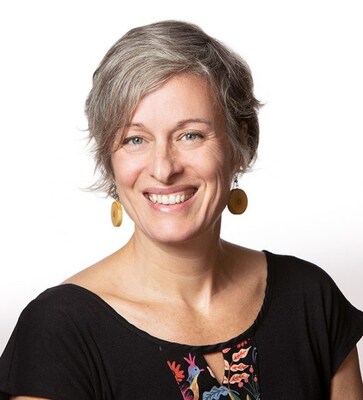
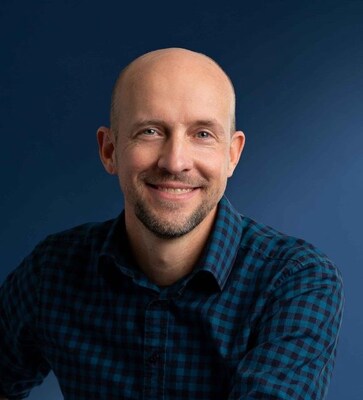
This laboratory is co-directed by professors
Through fieldwork and collaborations, the C3V will offer an in-depth understanding of urban realities, civic relations, and social and community initiatives that hope to address inequities.
The C3V's research program focuses on three areas of research and engagement.
- Cities (villes) refers to the uneven and unequal production of urban space, how those most affected experience and contest such inequities, and how these contestations, in turn, transform urban space.
- Voices (voix) refers to the diversity of people and their experiences, and to their efforts to challenge dominant discourse and reshape and reclaim their narratives.
- Visions fosters discussion on alternatives for a more just, sustainable, anti-racist, and decolonial future.
"Today, our societies are complex systems, bringing together individuals from all backgrounds, with very diverse life stories," points out
A methodology focused on co-creation
The C3V aims to draw on critical and Indigenous approaches, as well as story-based participatory methods. As such, it is equipped with an audio recording and production studio, equipment for data collection in the field, a workshop space dedicated to collaborative activities, and a laboratory.
"It's a real pleasure to have been able to create a space like this, which will support the work of partner organizations and students alike. We look forward to participating in the projects that will emerge from this synergy," says Professor Guimont Marceau, who specializes in Indigenous and non-Indigenous relationships, political action, and contested spaces.
These multiple methods of recording and sharing knowledge will allow the C3V to create material for scientific debate in multiple disciplines, while at the same time raising public awareness.
"The results of this research will also inform policymakers, who will be able to better understand the lived experiences of urban populations," explains Professor McClintock, an expert in critical geography and environmental justice. "This future work will be of great use for various players within the municipal, community, and civic spheres."
This initiative was made possible by a grant from the
The C3V is located on unceded Indigenous territory. Recognizing the territory where we are located, as well as our individual and collective links to the historical and modern violence of settler colonialism and slavery, is both a moral obligation and a small but important step in our efforts to build a more just world. This is the vision that the C3V projects seek to support.
About INRS
 View original content to download multimedia: